World Environment Day, Thursday, June 5, calls us to respond, however we can, to the crises afflicting our world. Some will pray in gratitude for the wonder of our evolution story and of our planet. We will ask to be empowered to respond adequately to global threats to Earth’s present and future, especially climate change and its ramifications.
You might want to use the following service for personal or group prayer. Adapt in any way that is helpful. For a two-sided copy of the prayer, click here: world.env.day.2014. If you have suggestions for the prayer, please add them to the comments.
 World Environment and Pentecost Prayer

All: Come, Holy Spirit, fill the hearts of your faithful people and kindle within them the fire of your love. Send forth your Spirit and they shall be created, and you shall renew the face of the Earth.
Reader 1: Renew the face of our Earth, loving Creator, as you can only do through us. Help us realize our part in Earth’s  suffering and our call to act on behalf of our brothers and sisters and the global systems that sustain all life.
Reader 2: Four recent Climate Change reports have confirmed that the worst climate prediction made decades ago are being exceeded. We who believe that all life is interconnected and that the Mystery we call God has been living and acting in the cosmos for 13.8 billion years and in planet Earth throughout its 4.5-billion-year story, gather to respond to these reports on World Environment Day.
Reader 3 leads the intentions: Let us be grateful for the wonders of creation. Response is We are grateful.
– For the billions of years Earth has been evolving, and for being part of its continuing evolution, We are grateful.
– For the gifts of the Spirit in all Creation, We are grateful.
– For fresh, clear air, especially [anyone: name a time/ place where you especially appreciated clean air], We are grateful.
– For rich, healthful soil, especially [anyone: name a time/ place where you especially appreciated rich dirt], We are grateful. 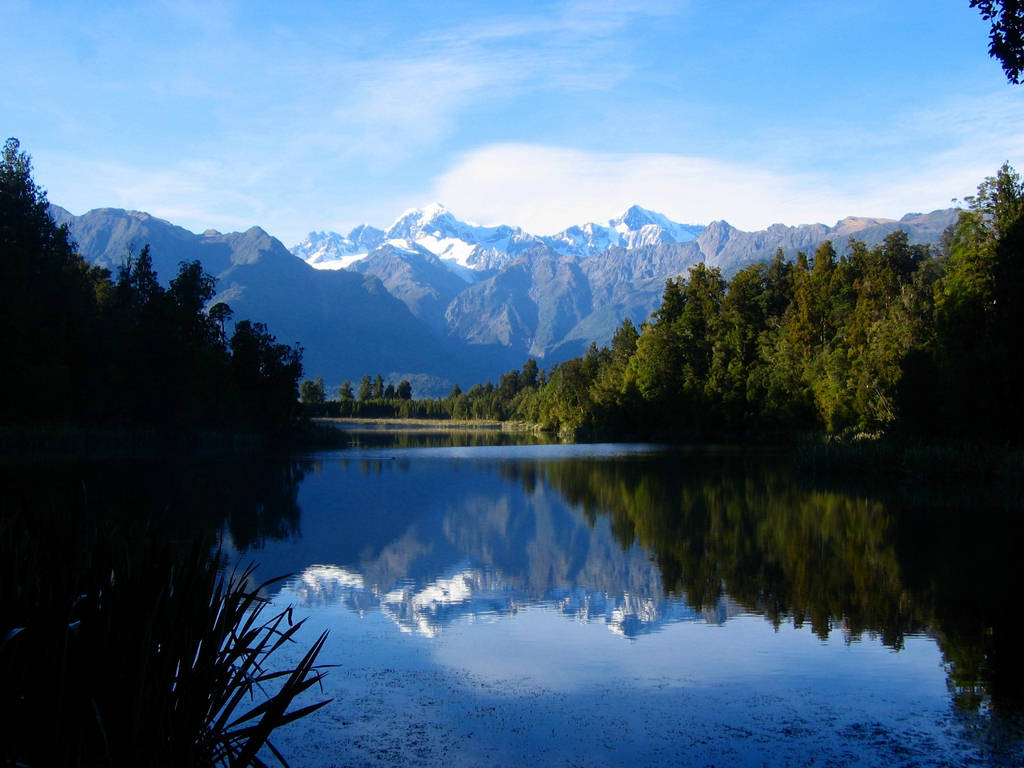
– For pure, cool water, especially [anyone: name a place/ time when you especially appreciated water], We are grateful.
– For healthful crops, especially [anyone: name one that you especially appreciate], We are grateful.
– For the thousands of species that grace our Earth, especially [name something that you especially love], We are grateful.
– For the interdependence that each of the above has with us and with one another, We are grateful.
– For all whose personal and organizational efforts help to renew our Earth, We are grateful.
– For [whatever else you wish to name], We are grateful.
Sing “How Great Thou Art” or other appropriate hymn/song.
Reader 4: Some facts to consider:
– A March 2014 Pentagon report found that climate change impacts are “threat multipliers,” and that the rapid rise of global temperatures and associated extreme weather events could exacerbate issues like “poverty, environmental degradation, political instability and social tensions — conditions that can enable terrorist activity and other forms of violence.”
– 55% of water in the United States are rated in “poor” condition: unfit for swimming, fishing, or drinking. The 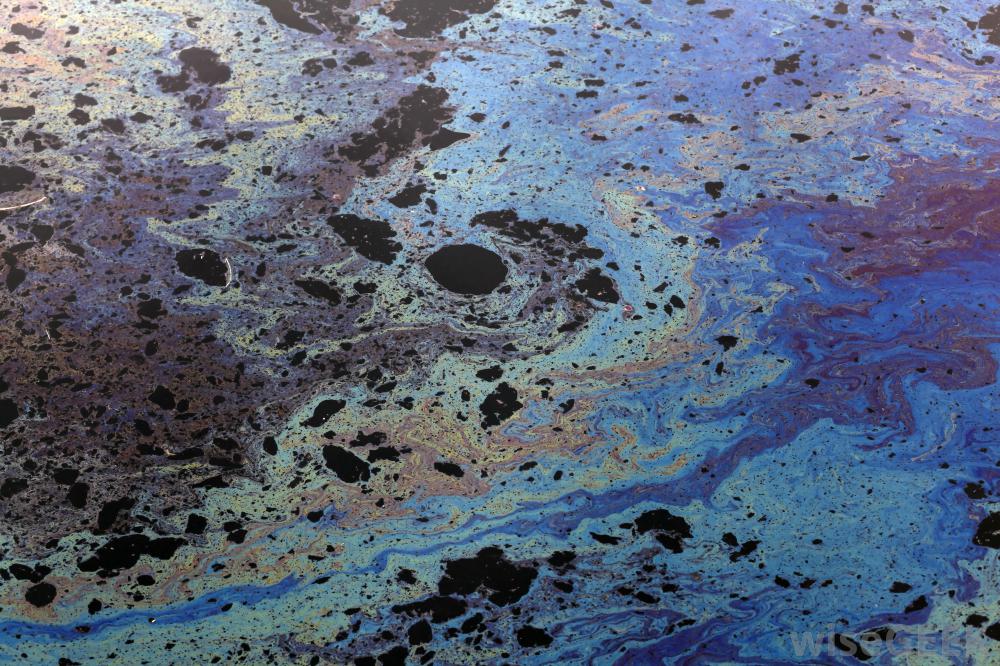 Environmental Protection Agency studies show that the problem is getting worse.
– Already people and other life forms are living with the effects of climate change: rising temperatures; drought and water shortages; unpredictable weather, disrupted seasons and failed crops; flooding, land loss and salination of vital water supplies; resulting increase in poverty, vulnerability, and the need to relocate.
– The carbon dioxide and methane increases resulting from the lifestyles of the wealthiest are damaging the poorest among us. The injustice of this demands correction.
What other facts concern you? Share.
Reader 5: from Pope Francis’ The Joy of the Gospel, par.183: An authentic faith — which is never comfortable or 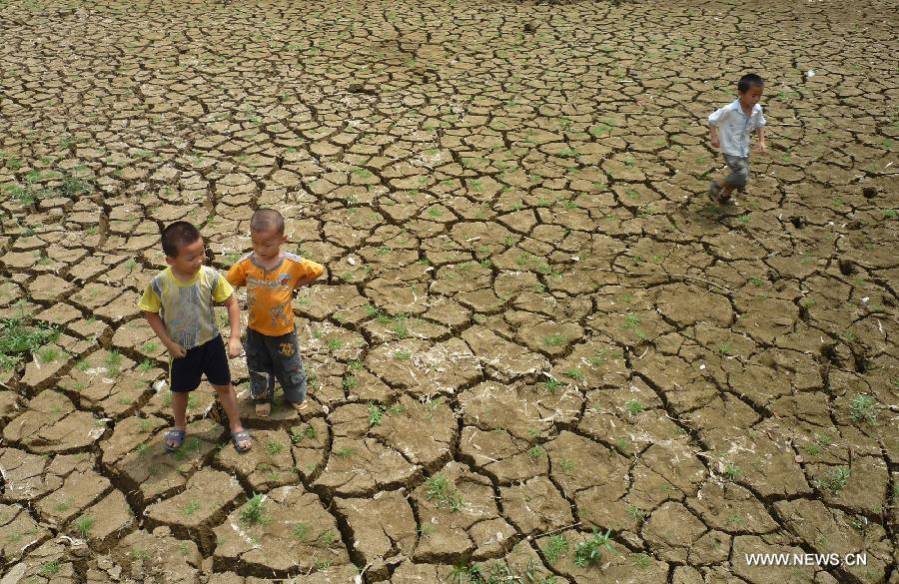 completely personal — always involves a deep desire to change the world, to transmit values, to leave this earth somehow better than we found it. We love this magnificent planet … and we love the human family which dwells here, with all its tragedies and struggles, its hopes and aspirations, its strengths and weaknesses.
Reader 6: from The Earth Charter: We stand at a critical moment in Earth’s history, a time when humanity must choose its future. As the world becomes increasingly interdependent and fragile, the future at once holds great peril and great promise. … We must join together to bring forth a sustainable global society founded on respect for nature, universal human rights, economic justice, and a culture of peace . . . .
Share what you are already doing to improve the local/ global situation.
When everyone has had time to share, and perhaps to generate ideas for future action, pray together:
Creator God, in your mercy, recreate our hearts that we might better partner with you to renew the face of this awesome but damaged Earth. Amen!
Optional: “Peril or Promise” from My Heart Is Moved, Caroline McDade.

 Gerald Schroeder, author of Genesis and the Big Bang, Science of God, and Hidden Face of God. Gerald was explaining why, if a tree fell in the forest, there would be no sound. The energy waves exist, but something or someone with the physical equipment to receive (capture) the waves is required to make noise possible. As would be expected considering the titles of his books, the interview continued with his insights about the big questions of personal consciousness, God, and death. But he had me with capturing sound.
 More recently I was rereading sections of Mary Jean Irion’s She-Fire, A Safari Into the Human Spirit. Her book has treasures of several types, and I always gain from perusing the many pages I have dog-eared. This time I stayed with her reflection on the blue sky she saw in Kenya. Mary Jean writes: Blue is not a thing in itself. It does not exist. It happens only in the relationship of matter, light, and cones in the eye. Take away dust in the air, or take away light, or take away eyes — and there is no color. Yet there it is: who cannot see it? The sky, so help me, is blue today. Like Gerald Schroeder, Mary Jean goes on to explore thoughts about God. But she had me at capturing blue.
 concerning our origin in the stars. Essentially connected are the stories of the prescient scientists who developed the tools that made possible these discoveries. Whereas the equipment to catch sound waves and to see color came without human help, learning about the stars required patient human perseverance. Thanks to these scientists, we can now “catch” information unknown and probably unguessed until our time.
 and the Law of Three will be challenging. Her description of the ternary principle and its applications to theology force a forging of new brain paths. Yet how worth the effort to follow her journey into a new model for God and its more spacious container for the rich mythological and personal language of traditional Christian understanding. Hinting at what’s coming, she says: . . . most of the paradigm distress besetting contemporary trinitarian theology has arisen out of trying to bottle into particle format what is intrinsically a wave. How shall we capture these depths?



 ecospirituality resources